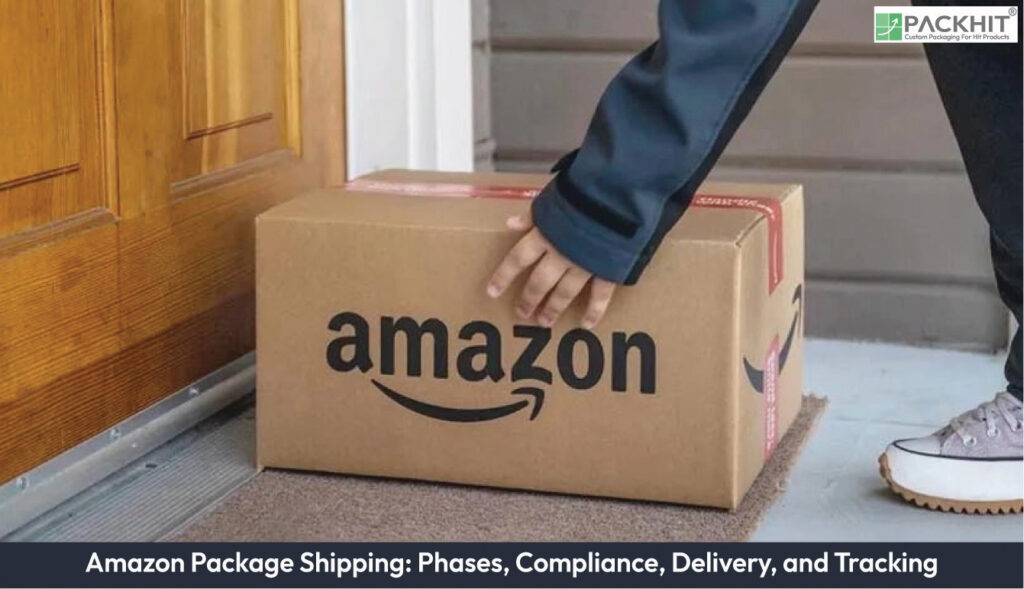
Amazon package shipping involves a structured workflow encompassing preparation, shipment initiation, transit, and delivery confirmation. Manufacturers must adhere to Amazon’s packaging standards, including durable materials and accurate labeling, while leveraging its advanced logistics and tracking systems. Compliance with guidelines such as Frustration-Free Packaging mitigates risks and enhances customer satisfaction. Amazon deploys diverse delivery mechanisms, including partnerships with carriers and innovative solutions like drone deliveries, ensuring efficient last-mile logistics. Its tracking system integrates barcode scanning and GPS technology for real-time updates, empowering manufacturers to optimize operations and maintain competitive advantages.
- What are the Key Phases in Amazon Package Shipping?
- How Does Amazon Ensure Packaging Compliance for Shipping?
- What Delivery Mechanisms Does Amazon Use for Package Shipping?
- How Does Amazon’s Tracking System Work for Package Shipping?
- Why is Understanding Amazon Package Shipping Critical for Manufacturers?
What are the Key Phases in Amazon Package Shipping?
The Amazon package shipping process is divided into four primary phases: preparation, shipment initiation, transit, and delivery confirmation. Each phase is characterized by specific actions and requirements that ensure the seamless movement of goods through Amazon’s fulfillment network.
1. Preparation Phase
The preparation phase involves the packaging of products in accordance with Amazon’s packaging guidelines. These guidelines specify the use of durable materials, appropriate box dimensions, and protective fillers to prevent damage during transit. Additionally, manufacturers must ensure that all packages are labeled with scannable barcodes, which are essential for inventory tracking within Amazon’s warehouses.
2. Shipment Initiation
During shipment initiation, manufacturers or sellers generate shipping labels through Amazon’s Seller Central platform. These labels include critical information such as the destination fulfillment center, shipment ID, and carrier details. Proper label placement is crucial to avoid scanning errors, which can lead to delays or misrouting.
3. Transit Phase
In the transit phase, packages are transported from the manufacturer’s facility to Amazon’s fulfillment centers or directly to customers, depending on the shipping method. Amazon collaborates with third-party carriers such as UPS, FedEx, and its own Amazon Logistics network to optimize transit routes and reduce delivery times. Packages are scanned at multiple checkpoints to update their status in real-time.
4. Delivery Confirmation
The final phase involves the delivery of packages to the end customer. Amazon employs various delivery methods, including doorstep delivery, locker pickups, and scheduled deliveries for oversized items. Once the package is delivered, the system updates the tracking status to “Delivered,” and customers receive a notification confirming receipt.
How Does Amazon Ensure Packaging Compliance for Shipping?
Amazon enforces strict packaging compliance standards to maintain the integrity of its fulfillment network. These standards are outlined in the “Frustration-Free Packaging” (FFP) program, which aims to reduce waste, improve customer experience, and minimize damage during transit. Non-compliance can result in penalties, including additional fees or the rejection of shipments.
Packaging Material Requirements
Amazon mandates the use of recyclable and environmentally friendly materials wherever possible. Boxes must meet specific strength criteria, such as the Edge Crush Test (ECT) rating, to withstand stacking pressures during storage and transit. Protective materials like bubble wrap or air pillows are recommended for fragile items.
Labeling and Barcode Standards
Each package must feature a unique scannable barcode that corresponds to the product’s SKU (Stock Keeping Unit). Labels must be affixed to a flat surface and remain unobstructed by tape or other materials. Failure to comply with these standards can disrupt inventory management and delay processing times.
What Delivery Mechanisms Does Amazon Use for Package Shipping?
Amazon employs a diverse range of delivery mechanisms to meet varying customer needs and optimize last-mile logistics. These mechanisms include traditional carrier partnerships, proprietary delivery networks, and innovative solutions such as drone deliveries and Amazon Lockers.
Amazon Logistics Network
Amazon Logistics, the company’s in-house delivery network, handles a significant portion of last-mile deliveries. This network leverages regional delivery stations and a fleet of delivery vehicles to ensure timely and cost-effective service. Amazon Flex, a crowdsourced delivery program, supplements this network by allowing independent contractors to deliver packages using their personal vehicles.
Third-Party Carrier Integration
Amazon collaborates with established carriers such as UPS, FedEx, and the United States Postal Service (USPS) for certain shipments. These partnerships are particularly useful for rural or remote areas where Amazon’s logistics network may have limited coverage.
Innovative Delivery Solutions
To address urban congestion and enhance delivery speed, Amazon has introduced innovative solutions such as drone deliveries under the Prime Air program and secure package lockers located in high-traffic areas. These methods aim to reduce delivery times and provide greater convenience for customers.
How Does Amazon’s Tracking System Work for Package Shipping?
Amazon’s tracking system is a cornerstone of its package shipping process, providing real-time visibility into the status and location of shipments. This system integrates barcode scanning, GPS technology, and automated notifications to keep all stakeholders informed.
Barcode Scanning at Checkpoints
Packages are scanned at multiple checkpoints throughout their journey, from the initial pickup to the final delivery. Each scan updates the package’s status in Amazon’s tracking system, allowing customers and sellers to monitor progress in real-time.
GPS Integration for Delivery Vehicles
Amazon’s delivery vehicles are equipped with GPS devices that provide precise location data. This information is used to optimize delivery routes and provide customers with accurate estimated delivery times (EDTs).
Automated Notifications
Customers receive automated notifications at key milestones, such as when a package is shipped, out for delivery, or successfully delivered. These notifications are sent via email, SMS, or the Amazon app, ensuring timely updates.
Why is Understanding Amazon Package Shipping Critical for Manufacturers?
For manufacturers, understanding Amazon package shipping is vital to ensuring seamless operations and maintaining a competitive edge. Below are the key reasons why mastering this process is essential:
- Compliance with Packaging Standards: Adhering to Amazon’s packaging requirements prevents delays, penalties, and damaged goods. This includes using durable materials, proper labeling, and environmentally friendly practices.
- Optimized Fulfillment Integration: Aligning packaging processes with Amazon’s fulfillment network ensures efficient handling, reducing operational bottlenecks and improving delivery timelines.
- Enhanced Tracking and Visibility: Leveraging Amazon’s advanced tracking systems provides real-time updates, enabling manufacturers to monitor shipments and address issues promptly.
- Cost Efficiency: Streamlined packaging and shipping processes help reduce overhead costs, minimize waste, and improve overall profitability.
- Improved Customer Satisfaction: Meeting Amazon’s standards ensures that products reach customers intact and on time, enhancing trust and loyalty.
- Regulatory Alignment: Amazon’s strict compliance guidelines help manufacturers meet broader regulatory requirements, avoiding legal complications.
By understanding and integrating Amazon package shipping protocols, manufacturers can achieve operational excellence, reduce risks, and foster stronger relationships with both Amazon and their end customers.
