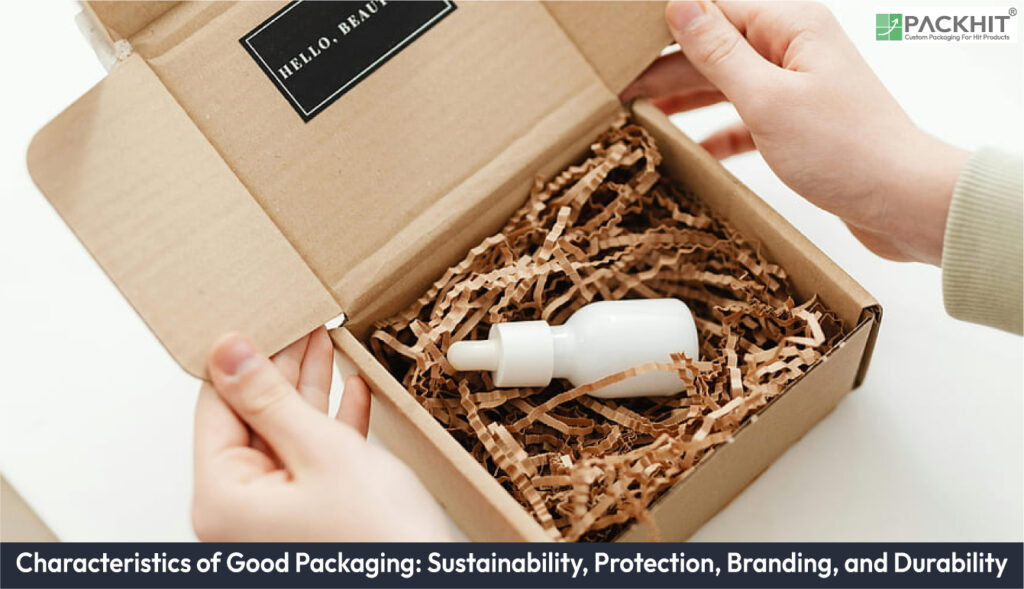
Good packaging effectively balances protection, branding, sustainability, and durability to fulfill its multifaceted role. It safeguards products during transit and storage through features like shock absorption, temperature resistance, and anti-static materials, ensuring product integrity across supply chains. Sustainability plays a central role, with the use of recyclable, biodegradable, and compostable materials like cornstarch polymers, recycled paperboard, and mycelium helping reduce environmental impact without compromising strength. Packaging also acts as a powerful branding tool, using thoughtful color schemes, typography, and structural innovation to influence consumer behavior and enhance the unboxing experience. Durability is essential, especially for e-commerce and global logistics, where structurally engineered packaging—such as double-walled corrugated boxes—prevents damage and reduces returns. Together, these elements define what makes packaging truly “good” by aligning functionality with environmental and brand goals.
What is Good Packaging?
Good packaging is defined by its ability to effectively fulfill multiple roles, such as protecting the product, enhancing its appeal, and meeting sustainability and durability standards. It must provide physical security to the product during handling, transit, and storage while minimizing environmental impact through the use of eco-friendly materials. Good packaging acts as an extension of the brand, creating a memorable impression and fostering customer loyalty.
What are the Characteristics of Good Packaging?
Good packaging combines four core characteristics, including sustainability, protection, branding, and durability. Sustainability reduces environmental impact by using recyclable, compostable, or lightweight paper-based materials and cuts transportation energy and end-of-life disposal costs. Protection preserves product integrity against impact, moisture, temperature, and electrostatic hazards to lower damage rates and returns during handling and transit. Branding communicates product identity through color, typography, and structural design to influence purchase decisions and improve the unboxing experience, while durability ensures structural strength through material selection and engineered construction to withstand stacking, vibration, and repeated handling.
How Does Sustainability Influence Good Packaging?
Sustainability in packaging refers to the use of materials and processes that reduce environmental impact while maintaining functionality. This includes the adoption of biodegradable, recyclable, or compostable materials such as cornstarch-based polymers, recycled paperboard, and plant-based plastics. According to industry trends, sustainable packaging is increasingly prioritized due to regulatory pressures and consumer demand for eco-friendly products.
Biodegradable materials
Cornstarch-based polymers are biodegradable and suitable for food-grade applications. These materials provide an alternative to traditional plastics while maintaining product safety and reducing persistent plastic waste.
Recyclable materials
Recycled paperboard is commonly used for secondary packaging in retail. It combines sustainability with durability and works well for protecting and presenting consumer goods while enabling closed-loop recovery in many municipal recycling systems.
Compostable and fungal-based materials
Mycelium packaging is a compostable material derived from fungi. It provides protective inserts and reduces landfill waste when composted under appropriate conditions, aligning waste-reduction goals with protective performance.
The environmental benefits of sustainable packaging are quantifiable. For instance, replacing traditional plastic with biodegradable alternatives can reduce carbon emissions by up to 60%. Additionally, lightweight materials lower transportation energy costs, further contributing to sustainability goals. However, achieving sustainability must not compromise the structural integrity or protective functions of the packaging.
What Role Does Protection Play in Good Packaging Design?
Protection is a fundamental characteristic of good packaging, ensuring that products remain intact and functional throughout the supply chain. This involves safeguarding against mechanical stresses such as compression, vibration, and impact, as well as environmental factors like moisture, temperature fluctuations, and UV exposure.
Durability is a critical attribute here. Packaging designed with high durability can endure the rigors of transportation, reducing product damage rates and associated costs. For example, corrugated cardboard with multi-layered fluting provides superior shock absorption, making it ideal for fragile items. Similarly, vacuum-sealed packaging offers improved protection for perishable goods by minimizing oxygen exposure.
A few protective features in good packaging are given below:
Shock absorption
Materials such as corrugated cardboard, foam inserts, and air-filled cushioning provide effective protection against impact damage during transit. These options ensure products remain intact by dissipating mechanical forces generated during handling or transportation.
Barrier properties
Laminated films, aluminum layers, and multi-layered polymer coatings protect against moisture, gas penetration, and other environmental factors. They are especially critical for preserving the freshness and longevity of perishable or sensitive goods.
Temperature resistance
Insulated packaging solutions, including thermal liners and vacuum-sealed formats, help maintain product integrity under extreme temperature conditions. For instance, cold-chain logistics often rely on these materials to safeguard pharmaceuticals and food products.
Anti-static protection
Specialized materials like anti-static foam and conductive bags prevent electrostatic discharge, which is vital for safeguarding electronic components during storage and transit.
How Does Packaging Reinforce Branding?
Packaging serves as a visual and tactile extension of a brand, influencing consumer perception and purchase decisions. Effective branding through packaging involves the strategic use of colors, typography, logos, and structural design to communicate brand values and differentiate products in competitive markets. For instance, minimalist packaging designs often convey sophistication and eco-consciousness, while bold, vibrant designs may attract younger demographics. Additionally, the unboxing moment has become a critical touchpoint for e-commerce brands, with custom inserts, branded tissue paper, and high-end finishes increasing customer satisfaction and loyalty.
The key branding elements in packaging are given below:
Typography
Use fonts that match the brand identity and keep text easy to read. Limit the system to 2–3 typefaces, for example, a serif for luxury products and a humanist sans-serif for approachable brands. Set body sizes so small labels read at 8–12 pt and primary messages at 12–18 pt.
Color schemes
Apply a restrained palette and repeat brand colors across packaging surfaces. Use 2–3 primary colors plus one neutral; for example, a bold accent, a background color, and a neutral base. Specify Pantone or CMYK values for print and verify contrast for small text and icons.
Structural innovation
Design shapes or opening mechanics that guide a clear, repeatable unboxing action. Examples include tuck-top boxes, magnetic closures, and tear strips; these features protect the product and simplify handling. Keep structures recyclable and avoid added tooling if production volumes do not justify the cost.
Why is Durability Essential in Good Packaging?
Durability ensures that packaging can withstand the physical and environmental stresses encountered during transportation, storage, and handling. This characteristic is particularly critical for e-commerce and international shipping, where packages are subjected to multiple touchpoints and varying conditions.
High durability is achieved through material selection and structural engineering. For example, double-walled corrugated boxes provide enhanced load-bearing capacity, while reinforced seams and closures prevent accidental openings. The durability of packaging directly impacts product safety, customer satisfaction, and operational efficiency by reducing returns and replacements due to damage.