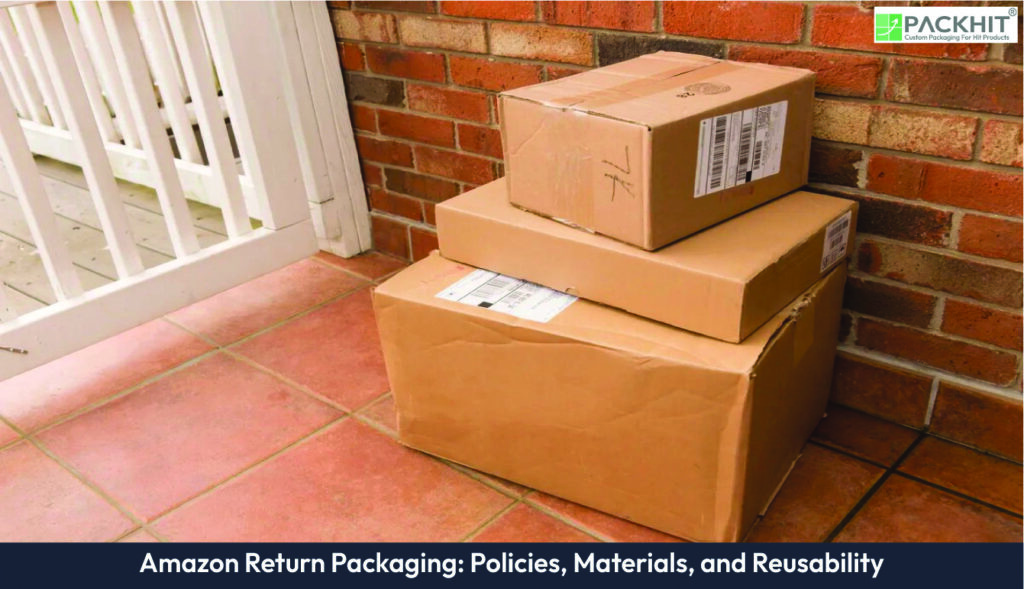
Amazon’s return packaging system encompasses stringent policies, innovative materials, and a strong focus on reusability to align with its sustainability goals. Policies like Frustration-Free Packaging (FFP), Ship-In-Own-Container (SIOC), and Prep-Free standards emphasize eco-friendly designs that minimize waste while ensuring product protection and ease of handling. Durable materials such as corrugated cardboard, kraft paper fillers, and plastic alternatives are selected for their functionality and recyclability, supporting Amazon’s commitment to reducing environmental impact. Reusability is integrated through resealable designs, durable constructions, and circular economy initiatives like Amazon Second Chance, which promote recycling and extended material lifecycles. Manufacturers aiming to meet these standards benefit from smoother integration into Amazon’s supply chain, reduced penalties, and a strengthened reputation for eco-responsibility, making compliance both a strategic and logistical necessity.
- What are Amazon’s Policies on Return Packaging?
- Frustration-Free Packaging (FFP) Standards
- Ship-In-Own-Container (SIOC) Framework
- Prep-Free Packaging Standards
- Sustainability Goals and Vendor Compliance
- What Materials are Used in Amazon Return Packaging?
- How is Reusability Integrated into Amazon Return Packaging?
- What are the Implications for manufacturers in Amazon Return Packaging?
What are Amazon’s Policies on Return Packaging?
Amazon’s return packaging policies are designed to ensure product protection, customer convenience, and environmental responsibility. These policies mandate that all packaging used for returns must meet specific criteria for durability, ease of handling, and recyclability. For manufacturers, compliance with these policies is essential to maintain their standing within Amazon’s marketplace ecosystem.
Frustration-Free Packaging (FFP) Standards
Amazon’s Frustration-Free Packaging (FFP) program sets stringent guidelines for packaging design, emphasizing minimal material usage, ease of opening, and recyclability. Products certified under this program must eliminate excessive packaging layers and avoid the use of non-recyclable materials such as expanded polystyrene. For return packaging, adherence to FFP standards ensures that materials can be reused or recycled efficiently, reducing waste in the reverse logistics process.
Ship-In-Own-Container (SIOC) Framework
The Ship-In-Own-Container (SIOC) framework is a critical component of Amazon’s packaging policies. It requires packaging that is strong enough to serve as its own shipping container without additional outer boxes, reducing material usage and streamlining logistics. This framework ensures that products are adequately protected during transit while minimizing packaging waste. For return packaging, SIOC standards help maintain the integrity of materials, allowing them to be reused or recycled efficiently after the return process.
Prep-Free Packaging Standards
Prep-Free Packaging is another essential aspect of Amazon’s packaging requirements. This standard eliminates the need for Amazon to modify or reinforce packaging before shipment, ensuring that products are ready for immediate distribution. For return packaging, this translates to simplified handling during the reverse logistics process, as items can be processed without additional preparation.
Sustainability Goals and Vendor Compliance
Amazon’s Climate Pledge initiative underscores the importance of sustainable packaging practices. Vendors are encouraged to use materials that align with Amazon’s sustainability goals, such as recycled content and biodegradable options. Non-compliance with these guidelines can result in penalties, including increased fees or removal from the platform. Manufacturers must therefore prioritize eco-friendly materials and designs to meet Amazon’s expectations for return packaging.
What Materials are Used in Amazon Return Packaging?
The materials used in Amazon return packaging are selected based on their durability, cost-effectiveness, and environmental impact. These materials must protect the product during transit while adhering to Amazon’s sustainability and recyclability standards.
Corrugated Cardboard
Corrugated cardboard is the primary material used in Amazon return packaging due to its strength, lightweight properties, and recyclability. Double-wall or triple-wall corrugated sheets are often employed for heavier items, ensuring adequate protection during the return shipping process. Cardboard’s high recycling rate of approximately 92% in the U.S. aligns with Amazon’s sustainability objectives.
Kraft Paper and Paper-Based Fillers
Kraft paper and other paper-based fillers are commonly used as void-fill materials in return packaging. These materials provide cushioning and prevent product movement during transit. Their biodegradability and ease of recycling make them a preferred choice for manufacturers aiming to comply with Amazon’s eco-friendly packaging policies.
Plastic Alternatives
While Amazon discourages the use of single-use plastics, certain plastic alternatives, such as polyethylene mailers and air pillows made from recycled content, are permitted. These materials are lightweight and space-efficient, reducing shipping costs and carbon emissions. However, their use is subject to strict guidelines to ensure they are recyclable through existing waste management systems.
How is Reusability Integrated into Amazon Return Packaging?
Reusability is a key focus of Amazon’s return packaging strategy, aimed at reducing waste and extending the lifecycle of packaging materials. This is achieved through design innovations and material choices that facilitate multiple uses.
Resealable Packaging Designs
Many Amazon return packages feature resealable closures, such as adhesive strips or zip-lock mechanisms, allowing customers to reuse the original packaging for returns. This design reduces the need for additional materials and simplifies the return process for consumers.
Durable Material Construction
The use of durable materials, such as reinforced cardboard or high-density polyethylene, ensures that packaging can withstand multiple shipping cycles. This durability not only supports reusability but also minimizes the risk of product damage during returns.
Recycling and Circular Economy Initiatives
Amazon promotes a circular economy approach by encouraging the recycling of return packaging materials. Programs such as the Amazon Second Chance initiative provide customers with information on how to recycle or repurpose packaging. Manufacturers are incentivized to design packaging that integrates seamlessly into these recycling streams, further enhancing its reusability.
What are the Implications for manufacturers in Amazon Return Packaging?
For manufacturers, aligning with Amazon’s return packaging policies and standards is both a logistical and strategic imperative. Compliance ensures smoother integration into Amazon’s supply chain, reduces the risk of penalties, and enhances brand reputation among environmentally conscious consumers. Adopting sustainable and reusable packaging practices can lead to cost savings over time, as materials are optimized for efficiency and recyclability.
By understanding the policies, materials, and reusability mechanisms outlined above, manufacturers can develop packaging solutions that meet Amazon’s requirements while contributing to broader sustainability goals. This alignment not only facilitates operational efficiency but also positions manufacturers as responsible partners in the e-commerce ecosystem.