Donut boxes are specialized, paper-based packaging solutions that store, organize, present, and deliver bakery donuts while preserving their freshness and taste. These boxes are crafted from sustainable and durable materials like card stock, kraft paper, paperboard, and corrugated fiberboard, making them eco-friendly and efficient. Available in various innovative styles such as mailer, gable, tray style, flip-top, die-cut, drawer, tuck-top, two-piece, clamshell, and window designs, donut boxes can be customized to align with a brand’s identity. Advanced printing and finishing techniques for donut boxes, including digital printing, flexographic printing, lithography, embossing, debossing, spot UV, stamp foiling, and lamination, enhance their visual appeal while offering premium branding opportunities. These boxes not only protect donuts during storage and delivery but also promote brand visibility by incorporating tailored logos, typography, and graphics that resonate with target audiences. Recyclable and biodegradable donut boxes support sustainability goals, reduce environmental impact, and appeal to eco-conscious consumers. Businesses can also save costs on donut boxes by opting for bulk purchases of lightweight, affordable materials, further optimizing their packaging investments.
- What are donut boxes?
- How can custom donut boxes promote the brand?
- What materials are donut boxes made of?
- What styles do donut boxes come in?
- What printing and finishing methods can be used for donut boxes?
- How can sturdy donut boxes enhance durability?
- How can donut boxes protect and preserve donuts?
- How do recyclable donut boxes contribute to sustainability?
- How can donut boxes ensure the efficient delivery of donuts?
- How can businesses save money with affordable donut boxes?
What are donut boxes?
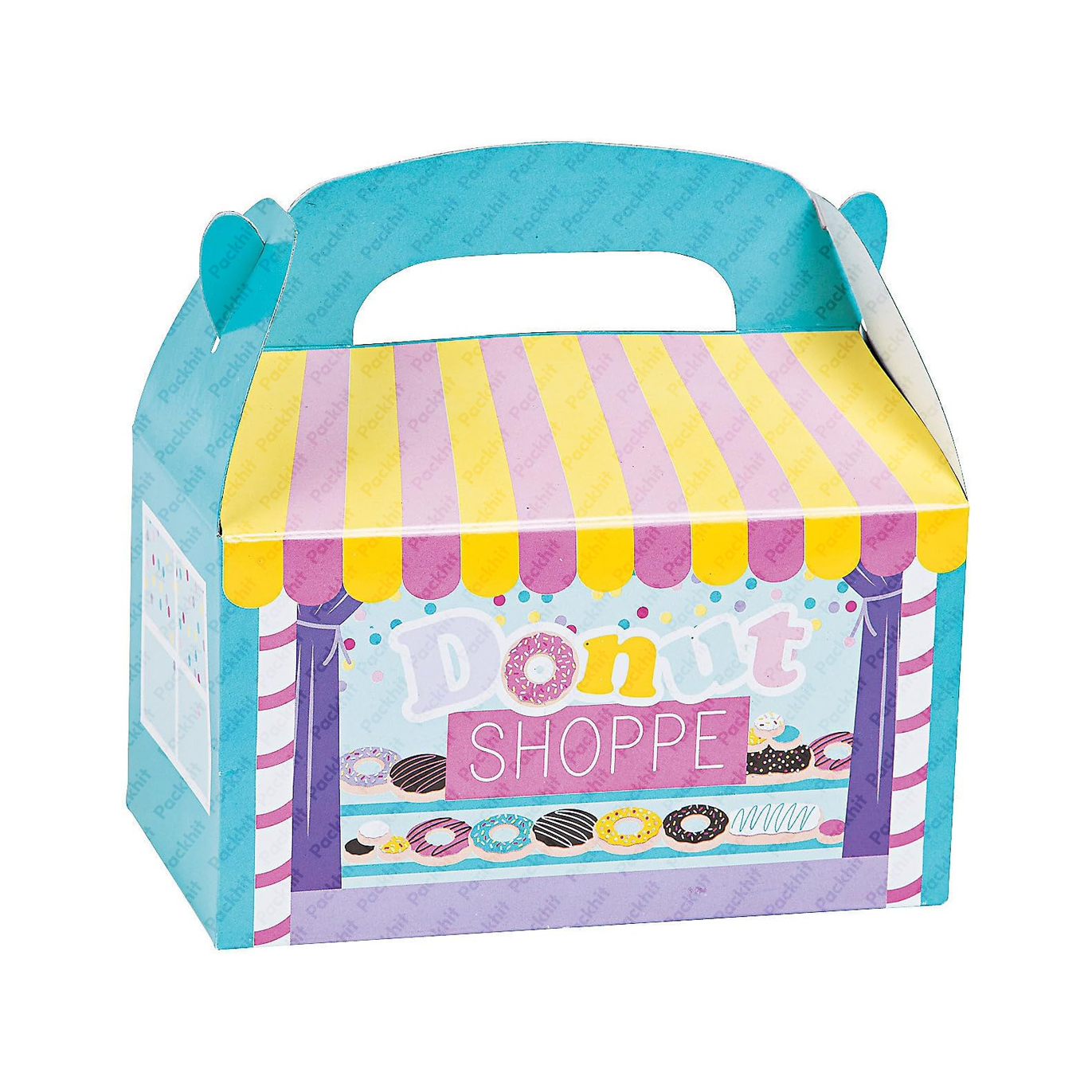
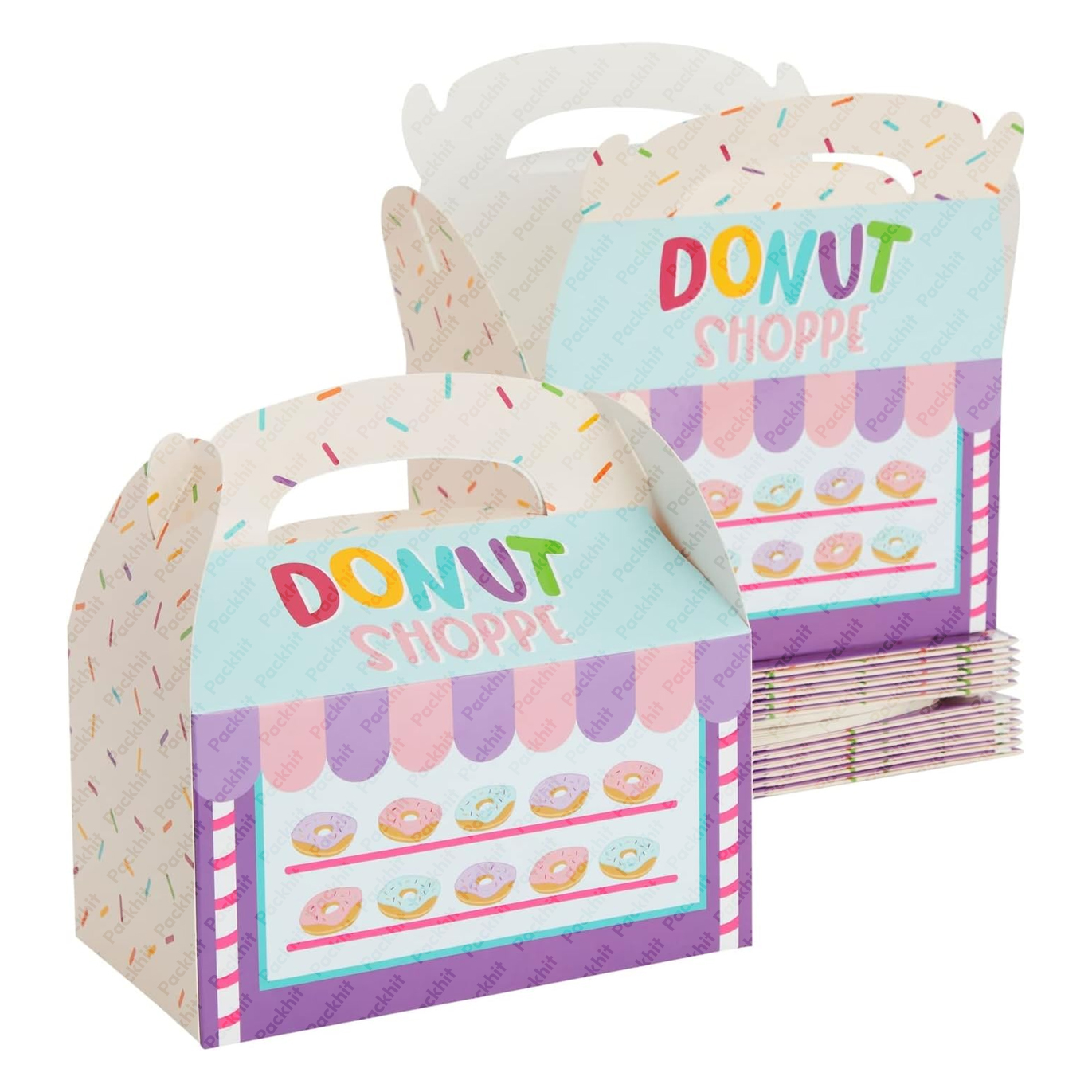
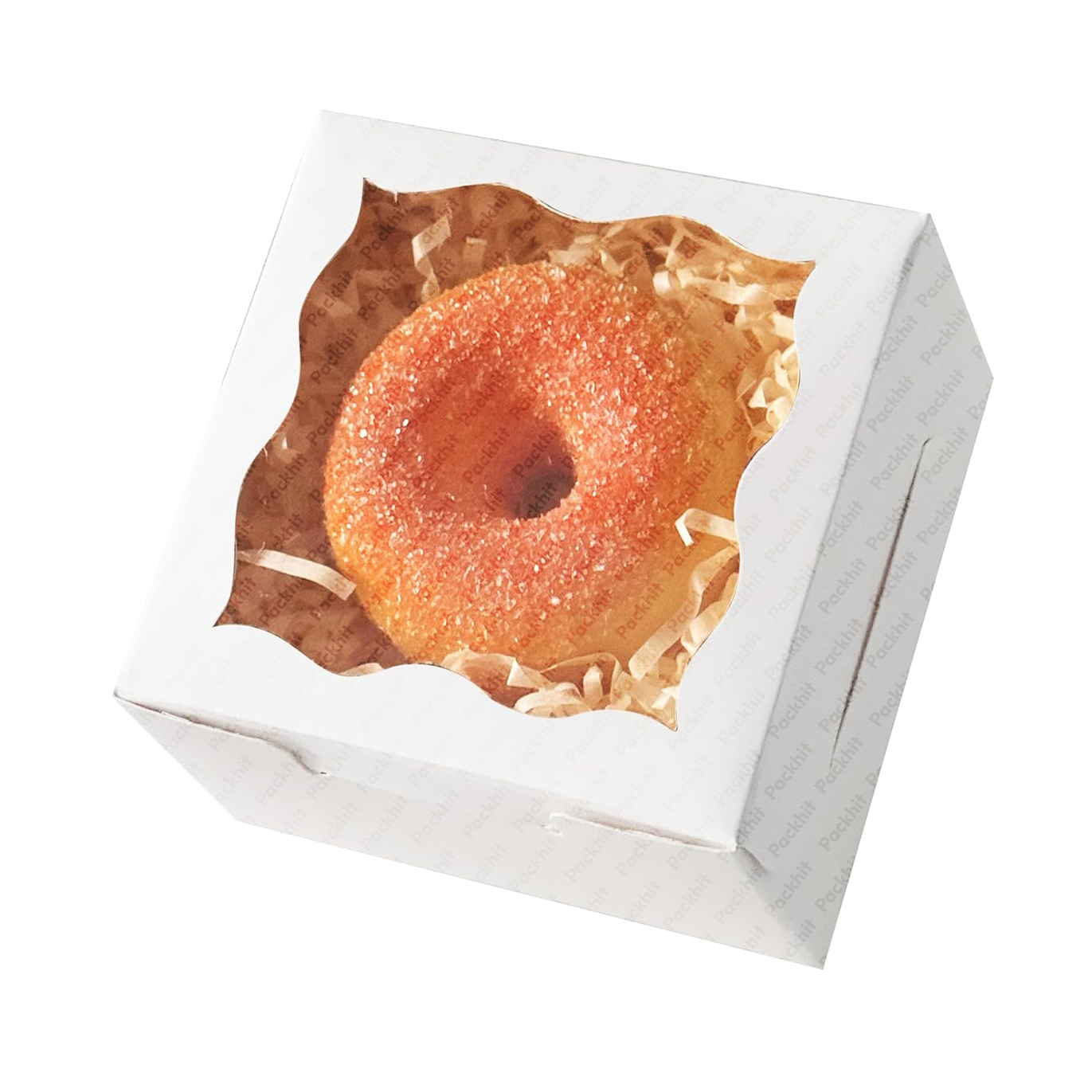
Donut boxes are paper-based packaging containers to store, organize, present, and deliver bakery donuts by preserving freshness and taste. Custom donut boxes are made from durable and eco-friendly materials like card stock, kraft, and corrugated fiberboard, and come in many innovative styles such as mailer, gable, tray style, flip-top, die-cut, drawer, tuck-top, two-piece, clamshell, and window. These donut boxes are designed using different printing approaches like spot UV, stamp foiling, embossing, and debossing. Donut boxes can be customised in different designs, styles, and materials to align with brand identity.
How can custom donut boxes promote the brand?
Custom donut boxes significantly enhance brand visibility and customer engagement by incorporating tailored designs, high-quality materials, and advanced printing techniques. These donut boxes act as a medium to communicate a brand’s identity through visual and tactile elements. Key branding features of donut boxes include logos, unique color schemes, typography, and custom graphics that resonate with the target audience. Custom donut packaging also allows businesses to align their aesthetic with their core values, such as sustainability, by choosing eco-friendly materials like kraft or recyclable cardboard. To elevate the visual appeal of donut boxes, finishes like spot UV, embossing, and stamp foiling provide a premium look, while personalized features like die-cut windows or custom inserts enhance functionality and design.
What materials are donut boxes made of?
Donut boxes are made from different sustainable materials like card stock, kraft, paperboard, boxboard (bux board), and corrugated fiberboard. Cardboard material is a preferred choice for storing and delivering donuts safely because it is lightweight, eco-friendly, and affordable. The cover paper materials for donut boxes, like solid color, custom printed, foil, laminated, embossed, matte, and gloss papers, are used to enhance your donut packaging. Donut boxes can be customized with a variety of materials to align with brand preferences.
What styles do donut boxes come in?
Donut boxes come in a range of innovative styles listed below:
- Mailer
- Gable
- Tray Style
- Flip-top
- Die-Cut
- Drawer
- Tuck-Top
- Two-Piece
- Clamshell
- Window
What printing and finishing methods can be used for donut boxes?
Printing methods for donut boxes are listed below:
- Digital printing
- Flexographic printing
- Lithography
- Screen printing
- UV varnishing
- Foil printing
- Inkjet printing
- Rotogravure
- Embossing
- Debossing
- Offset lithography
- Stamp foiling
- Laser printing
- Letterpress printing
- 3D Printing
How can sturdy donut boxes enhance durability?
Sturdy donut boxes enhance durability by providing robust protection against external pressures, ensuring donuts remain intact during storage and transportation. Made from high-folding-strength materials like cardboard, donut boxes resist deformation and maintain their structural integrity over time. Their compact design minimizes the risk of crushing or damage, making them ideal for both retail display and delivery. Durable donut boxes can be customized with reinforced features, such as thicker walls or secure closures, to further safeguard the contents.
How can donut boxes protect and preserve donuts?
Donut boxes protect and preserve donuts by offering a secure and breathable environment that maintains their freshness and texture. Designed with sturdy materials such as cardboard and kraft, these boxes shield donuts from external pressures, preventing crushing or deformation during storage and transportation. The use of food-safe linings in donut boxes ensures that the donut packaging does not compromise the flavor or quality of the donuts. Donut boxes have features like custom inserts and secure closures that keep donuts organized and stable, minimizing movement and damage. For added protection against moisture, some donut boxes incorporate specialized coatings or lamination, ensuring that the donuts stay fresh and appealing longer.
How do recyclable donut boxes contribute to sustainability?
Recyclable donut boxes contribute to sustainability by reducing environmental impact through the use of eco-friendly materials like kraft paper and card stock. These materials are biodegradable and can be repurposed, minimizing waste and conserving natural resources. By choosing recyclable donut packaging, businesses demonstrate their commitment to environmental stewardship, which can resonate positively with eco-conscious consumers. Eco-friendly donut boxes align with broader sustainability goals by supporting circular economies, where resources are reused instead of discarded. This practice not only helps preserve the environment but also enhances brand reputation among socially responsible customers.
How can donut boxes ensure the efficient delivery of donuts?
Donut boxes ensure the efficient delivery of donuts by combining durability, secure closures, and design functionality that protects the product during transit. Donut packaging constructed from robust materials like corrugated fiberboard and kraft paper provides enhanced structural support, preventing damage or deformation. Donut boxes have features such as custom inserts and snug-fitting lids that minimize movement, keeping donuts stable and organized. Lightweight materials reduce shipping costs while maintaining eco-friendly standards. For added convenience, some donut boxes include handles or stackable designs, streamlining transportation for both small bakeries and large-scale distributors. These thoughtful design elements guarantee that the donuts reach customers in optimal condition, preserving their freshness and presentation.
How can businesses save money with affordable donut boxes?
Businesses can save money with affordable donut boxes by opting for bulk purchases and wholesale pricing, which significantly reduce per-unit costs. Ordering donut boxes in quantities ranging from 100 to 100,000 allows businesses to leverage economies of scale, ensuring cost efficiency without compromising quality. Affordable donut boxes made from lightweight and durable materials, such as kraft and cardboard, help minimize production costs while maintaining structural integrity. Choosing customizable options within budget constraints enables businesses to align packaging design with their branding goals, further optimizing cost-effectiveness.